

LCD Thermal Modeling in Enclosures for OEM Reliability
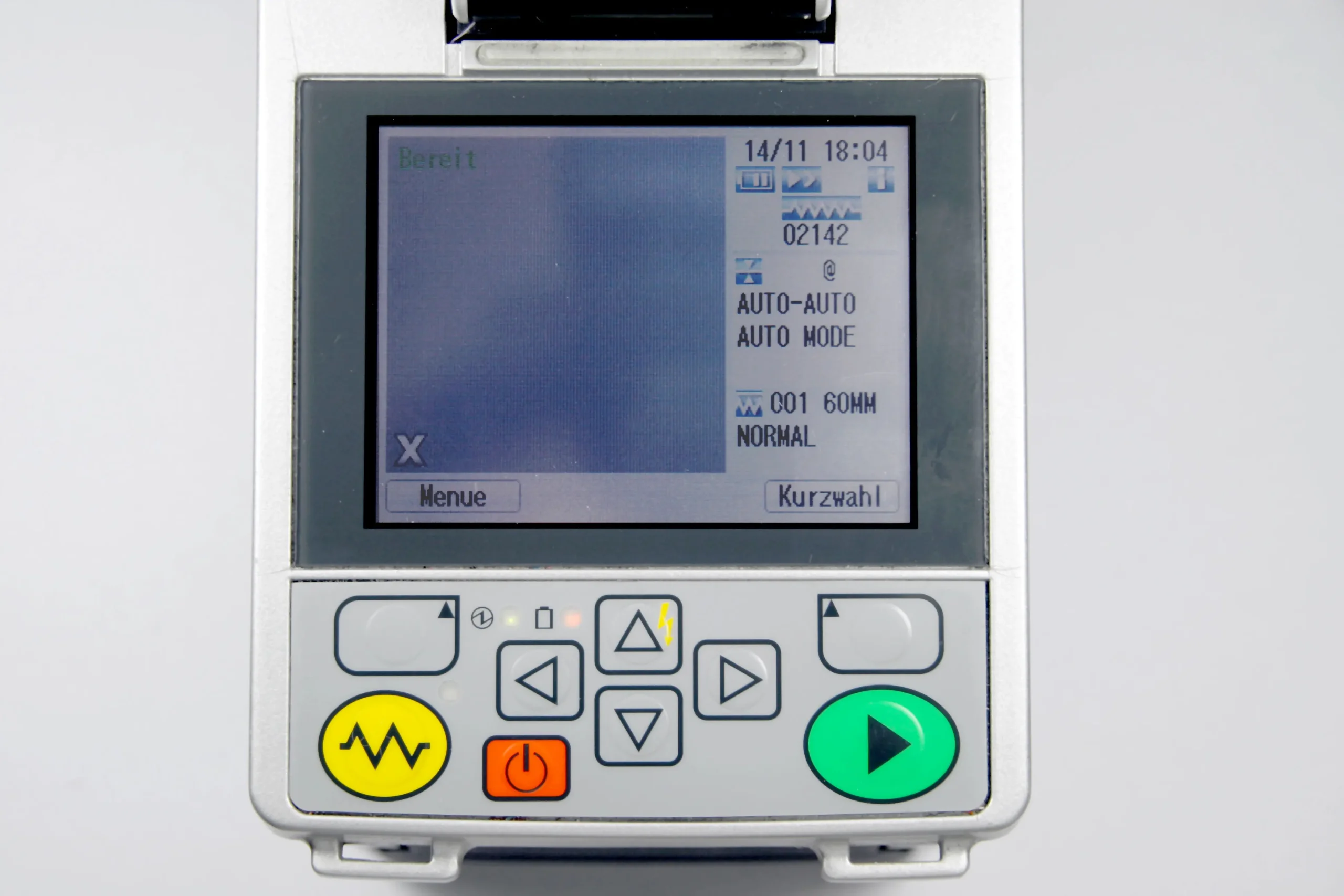
LCD thermal modeling helps engineers predict how heat affects display performance inside enclosed systems. In rugged, medical, and industrial equipment, displays often operate in sealed housings with limited airflow.
Therefore, temperature behavior must be evaluated early. Heat does not remain localized. Instead, it spreads through mechanical structures, power circuits, and mounting interfaces.
Focus LCDs manufactures LCD modules and custom display assemblies designed for integration into thermally constrained OEM systems. However, full enclosure thermal validation and regulatory qualification remain the responsibility of the OEM.
Why LCD Thermal Modeling Matters
Displays generate heat from:
• Backlight LEDs
• Power regulators
• Timing controllers
• Touch interfaces
At the same time, the enclosure may trap external heat from:
• Solar loading
• Adjacent electronics
• Ambient temperature extremes
As a result, internal temperature may exceed nominal operating ratings even when ambient air appears acceptable.
Thermal stress affects:
• Contrast performance
• Backlight lifetime
• Color stability
• Long-term reliability
Environmental integration considerations are discussed further in designing for dust, moisture, and extreme temperatures with rugged LCD modules
Key Inputs for LCD Thermal Modeling
Effective LCD thermal modeling requires defined boundary conditions.
Ambient Temperature Range
First, engineers must define expected minimum and maximum operating temperatures.
Industrial and defense systems often exceed standard commercial ranges. Therefore, enclosure modeling must reflect real deployment conditions.
Typical industrial LCD operating ranges include:
• -20°C to +70°C for industrial-grade displays
• -30°C to +80°C for extended-temperature designs
For broader environmental frameworks, engineers often reference standards from the International Electrotechnical Commission (IEC).
Heat Sources Within the Enclosure
Next, internal heat contributors must be quantified.
These may include:
• LED backlight power
• DC-DC converters
• Microcontrollers
• Communication modules
Even moderate power density can raise localized temperature significantly in sealed systems.
Backlight efficiency considerations are also discussed in low-power LCD solutions for battery-powered devices
Typical LED backlight derating begins when LED junction temperatures approach 60–70°C, which can reduce luminous output and shorten lifetime.
Airflow and Conduction Paths
Thermal modeling must evaluate how heat leaves the system.
Heat may transfer through:
• Conduction into chassis
• Convection within internal air volume
• Radiation from metal surfaces
However, many rugged enclosures prioritize sealing over airflow. Consequently, conduction becomes the dominant cooling path.
Enclosure design frameworks are often aligned with NEMA enclosure standards.
Thermal Effects on LCD Performance
LCD thermal modeling is not only about avoiding shutdown.
Instead, temperature influences:
• Liquid crystal viscosity
• Response time
• Contrast ratio
• Backlight luminous output
At elevated temperatures, LED backlights degrade faster. Conversely, low temperatures can slow response time and increase ghosting.
For example:
• LCD response time increases significantly below 0°C
• LED lifetime decreases rapidly when junction temperatures exceed 70°C
Thermal conditions also interact with electrical behavior, including EMI performance and signal stability, as discussed in EMI EMC in LCD modules: display-level design considerations
Simulation vs. Physical Testing
Engineers typically use both simulation and validation.
Simulation
Thermal simulation tools estimate:
• Hot spot locations
• Surface temperature distribution
• Heat sink effectiveness
Simulation allows early design iteration. Therefore, it reduces costly redesign late in development.
Physical Testing
However, simulation assumptions must be verified.
Validation methods may include:
• Thermocouple measurement
• Infrared thermal imaging
• Environmental chamber testing
Although LCD thermal modeling provides prediction, qualification testing confirms system performance.
Common Thermal Design Mistakes
Several avoidable issues increase failure risk:
• Ignoring solar loading in outdoor systems
• Underestimating LED backlight heat
• Overlooking heat from nearby power devices
• Assuming ambient equals internal temperature
Moreover, uneven thermal expansion can introduce mechanical stress into bonded assemblies.
Mechanical considerations are also relevant in LCD glass selection for vibration in rugged OEM systems.
LCD Enclosure Thermal Risk Checklist
Engineers integrating displays into enclosed systems should verify:
• Worst-case ambient and solar loading conditions
• Total internal heat generation from all electronics
• Conduction path from display to chassis or heat sink
• Heat buildup within sealed enclosure volumes
• Thermal validation through environmental chamber testing
This checklist helps identify thermal risk early in development.
Practical Engineering Guidance for LCD Thermal Modeling
To improve thermal reliability:
First, define full operating temperature range.
Next, quantify all internal heat sources.
Then, evaluate conduction paths through mounting structures.
Additionally, simulate solar and worst-case scenarios.
Finally, validate with physical testing before release.
Thermal behavior must be engineered intentionally. It rarely resolves itself.
Focus LCDs works with OEM engineering teams during display integration to support module selection, backlight configuration, and mechanical mounting strategies that align with enclosure thermal constraints.
Scope Boundary and Compliance Responsibility
Focus LCDs supplies LCD modules and subassemblies. We do not certify or validate complete enclosure thermal performance.
System-level thermal modeling, environmental qualification, and regulatory compliance remain the responsibility of the OEM. Designers must verify enclosure behavior under real operating conditions.
Contact Focus LCDs
If you are evaluating LCD thermal modeling within a sealed or rugged enclosure, our engineering team can support module selection and integration planning.
Contact Focus LCDs: https://focuslcds.com/contact
Conclusion: LCD Thermal Modeling Protects Long-Term Reliability
LCD thermal modeling improves reliability by predicting heat behavior before failures occur.
By analyzing internal heat generation, enclosure constraints, and environmental conditions early, OEM teams reduce redesign risk and extend display lifetime.
In high-reliability systems, thermal control is not optional. It is foundational.

