

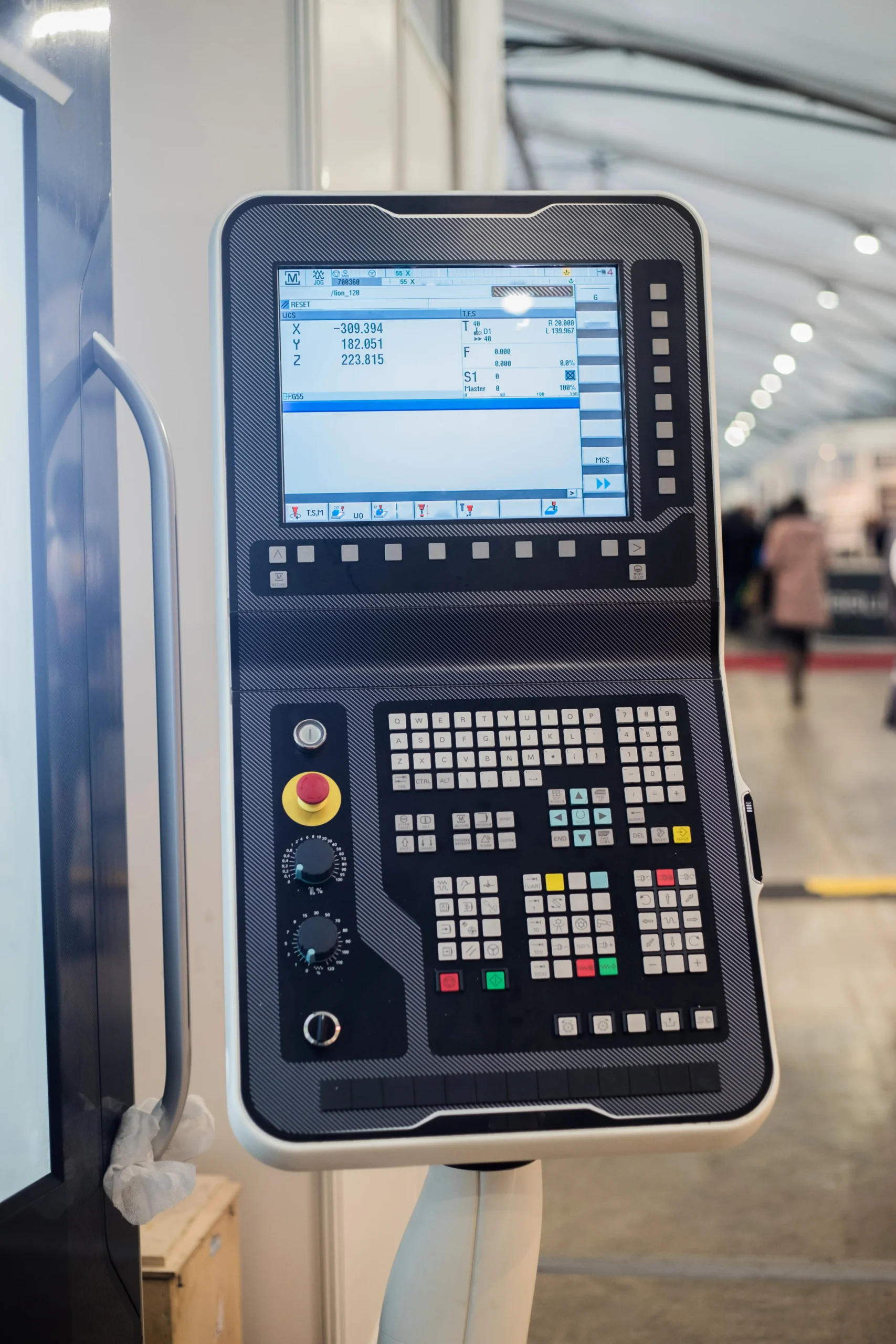
EMI EMC in LCD modules is a growing concern in rugged and safety-critical equipment, where displays operate in electrically noisy environments that include motors, switching power supplies, radios, and high-speed digital interfaces. At the same time, OEMs must meet increasingly strict electromagnetic interference and electromagnetic compatibility requirements. These requirements apply across medical, industrial, transportation, and defense platforms.
From an engineering perspective, LCD EMI EMC (Liquid Crystal Display Electromagnetic Interference and Electromagnetic Compatibility) challenges rarely originate from a single component. However, display module design choices can reduce or amplify system-level risk. Poor signal integrity, uncontrolled emissions, or inconsistent grounding at the display interface may complicate qualification later in development. This article examines LCD EMI EMC considerations at the display module level and explains how early design decisions can support more predictable system integration.
Focus LCDs manufactures LCD modules designed for EMI EMC requirements in medical, industrial, defense, transportation, agricultural, and food service equipment. Our engineering team supports display-level grounding, interface definition, and power behavior to help OEMs manage integration risk.
Focus LCDs supplies LCD display modules and subassemblies for integration into larger OEM systems. System-level EMI mitigation, regulatory compliance, qualification testing, and final certification remain the responsibility of the OEM.
Technical Background: EMI EMC in LCD Modules at the Display Level
Electromagnetic interference refers to unwanted electrical noise that can disrupt system operation. Electromagnetic compatibility describes the ability of equipment to function as intended without emitting excessive interference or becoming overly sensitive to external noise, concepts commonly defined in EMC engineering references such as introduction to EMC standards and testing and practical measurement guidance published by Keysight Technologies in their EMI troubleshooting and measurement application note.
Common EMI Sources Within LCD Display Modules
Within an LCD display module, several elements may contribute to EMI behavior. These elements include high-speed digital interfaces such as RGB or MIPI DSI, which are commonly discussed when evaluating key advantages of TFT LCDs.
They also include switching regulators used for backlight power, internal clocking sources, and flexible interconnects.
Although EMI and EMC performance are evaluated at the system level, display modules sit at the intersection of electrical, mechanical, and optical subsystems. As a result, LCD EMI EMC behavior at the module level can influence how easily a system meets emissions and immunity targets.
Key Design Considerations for EMI EMC in LCD Modules
Interface Selection and Signal Integrity
High-speed display interfaces can act as both emission sources and susceptibility paths. Parallel RGB interfaces use multiple synchronous signal lines, which may radiate if impedance and return paths are poorly controlled.
Serial interfaces such as MIPI DSI reduce pin count. However, they introduce higher edge rates that increase sensitivity to layout and termination choices. Display modules that define predictable interface behavior and grounding references can reduce integration uncertainty, particularly when prototyping with development hardware as described in prototyping with a TFT module.
Power Regulation and Backlight Drivers
Backlight drivers and internal power circuits are common contributors to LCD EMI EMC issues. Switching regulators operating at high frequencies can couple noise into signal and ground structures if layout and filtering are insufficient.
At the display module level, stable power requirements and controlled current behavior help OEMs manage emissions more effectively. Clear electrical specifications also reduce the likelihood of late-stage mitigation, especially in designs focused on efficiency such as those discussed in low-power LCD solutions for battery-powered devices.
Grounding Strategy and Mechanical Interfaces
Grounding is both an electrical and mechanical concern. Display modules that rely on indirect or inconsistent ground paths may exhibit increased noise sensitivity or unintended emissions.
Mechanical mounting features that support low-impedance ground connections can improve repeatability across installations. In mobile or industrial equipment, mechanical stress and grounding behavior are often closely linked, as outlined in designing for dust moisture and extreme temps with rugged LCD modules.
Cabling, Flex Circuits, and Routing
Flexible circuits and interconnect cables can behave as unintended antennas. This risk increases when length, routing, or shielding is not considered early.
Display modules that minimize cable length and support defined routing paths may reduce LCD EMI EMC sensitivity during system integration. Connector durability also matters. Repeated service or handling can alter grounding continuity over time, which aligns with broader serviceability considerations discussed in serviceable LCD design for reliable field maintenance).
Optical Bonding and Enclosure Effects
Optical bonding is often selected for optical or environmental reasons. However, it can also influence EMI behavior indirectly. Improved mechanical stability helps maintain consistent grounding and reduces internal variability.
While optical bonding is not an EMI solution by itself, it can support more predictable electrical behavior across production units, particularly in ruggedized systems.
Reliability and Qualification Impacts of EMI EMC in LCD Modules
LCD EMI EMC performance is typically validated during system-level testing. However, display-related issues often emerge late in development. At that stage, design changes are costly.
Display modules that exhibit consistent electrical behavior across production lots can reduce variability during qualification. Predictable grounding, power behavior, and interface implementation simplify troubleshooting.
OEMs may reference standards such as IEC 60601, CISPR 11, or MIL-STD-461 depending on application. While compliance is determined at the system level, stable display module characteristics support more efficient test planning, as outlined in EMC standards overview.
Manufacturing consistency also plays a role. Variations in grounding or interface implementation across builds can produce inconsistent EMC test results. ISO 9001-based manufacturing controls support repeatable performance, a topic further explored in what makes Focus LCDs displays stand out.
Practical Engineering Insights
Effective LCD EMI EMC management begins with early definition of display interface requirements and operating environments. Engineers benefit from evaluating display modules as part of the overall electrical architecture.
Defining grounding expectations, interface types, and power behavior early can reduce late-stage mitigation. Favoring stable module-level designs over ad hoc fixes improves predictability during validation.
Collaboration across electrical, mechanical, and display disciplines is essential. Focus LCDs works with OEM engineering teams to support display module designs that account for electrical behavior, mechanical integration, and manufacturing consistency.
To discuss a specific application or display module design approach, contact Focus LCDs at
https://focuslcds.com/contact
Conclusion: EMI EMC in LCD Modules Is an Integration Consideration
LCD EMI EMC challenges rarely stem from a single design decision. Instead, they arise from the interaction between electrical interfaces, power behavior, mechanical integration, and manufacturing consistency.
By addressing EMI considerations early, selecting appropriate interfaces, and maintaining predictable electrical behavior at the display module level, OEMs can reduce uncertainty during system integration. In rugged and safety-critical environments, early collaboration with an experienced display module engineering partner helps align display design choices with long-term reliability and compliance objectives.

