

Rugged LCD Design for Harsh and Safety-Critical Applications
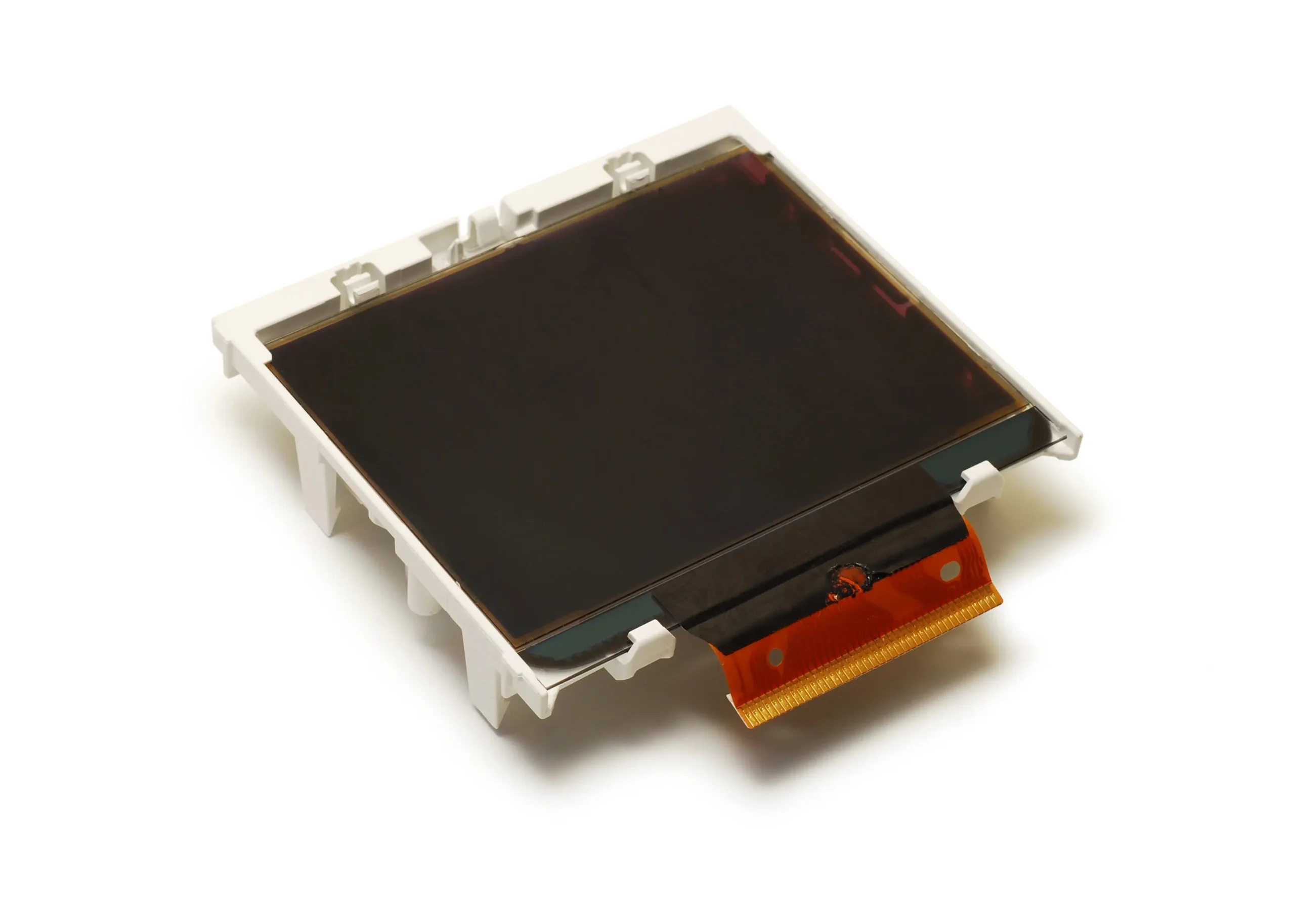
Rugged LCD design is essential when displays operate in harsh and safety-critical environments. Industrial, medical, defense, and transportation systems expose displays to vibration, temperature extremes, dust, moisture, and electrical noise.
If display reliability fails, system reliability fails.
Therefore, rugged LCD design must address mechanical, thermal, electrical, and lifecycle risks from the beginning of the program.
Focus LCDs manufactures standard and custom LCD modules for rugged OEM integration. Final system qualification, certification, and regulatory compliance remain the responsibility of the OEM.
What Defines Rugged LCD Design?
Rugged LCD design does not mean simply adding a thicker enclosure.
Instead, it requires coordinated control of:
-
Mechanical stress
-
Temperature behavior
-
EMI exposure
-
Power stability
-
Long-term availability
These variables interact. For example, vibration can affect connectors. Thermal stress can alter contrast. EMI can disrupt high-speed interfaces.
Therefore, rugged LCD design must consider the display as part of the full system architecture.
Mechanical Considerations in Rugged LCD Design
Vibration and Shock
Industrial and mobile equipment often operates under continuous vibration. Over time, this stress can:
-
Loosen connectors
-
Crack solder joints
-
Stress glass substrates
Engineers must evaluate mounting strategy and strain relief early. Mechanical isolation techniques reduce fatigue risk.
Vibration also influences glass selection. This topic is explored further in LCD glass selection for vibration in rugged OEM systems.
Connector Retention and Strain Relief
Connector failure is a common field issue.
To reduce risk:
-
Minimize cable length
-
Provide defined routing paths
-
Add mechanical strain relief
-
Secure flex tails properly
Even small movements accumulate damage over years of operation.
Connector strategy directly affects long-term reliability.
Thermal Management in Rugged LCD Design
Temperature extremes change display performance.
Cold temperatures slow liquid crystal response. High temperatures accelerate backlight aging.
In sealed enclosures, internal heat can raise LCD operating temperature beyond ambient.
Therefore, engineers must:
-
Model enclosure heat rise
-
Evaluate airflow limitations
-
Consider backlight derating curves
-
Validate operating temperature range
Electrical Robustness and EMI Exposure
Rugged systems often operate near motors, radios, or switching power supplies.
As a result, electrical noise becomes a critical factor.
Rugged LCD design should define:
-
Grounding paths
-
Controlled interface routing
-
Stable power regulation
-
Shielding strategy
EMI fundamentals and emissions requirements are defined in international EMC standards such as those published by the International Electrotechnical Commission IEC.
Practical compliance testing guidance is also outlined in the EMC standards overview from Rohde & Schwarz
Display-level EMI considerations are further discussed in EMI EMC in LCD modules.
Optical Bonding and Environmental Protection
Optical bonding improves:
-
Shock resistance
-
Contrast stability
-
Condensation resistance
In outdoor environments, bonded assemblies reduce internal reflection and moisture intrusion.
However, optical bonding also changes thermal behavior. Therefore, mechanical and thermal validation must be coordinated.
Rugged LCD design always balances optical, mechanical, and thermal priorities.
Power Stability and Backlight Durability
Backlight systems often define display lifespan.
Engineers should evaluate:
-
LED current margins
-
Temperature-dependent brightness
-
Power supply ripple
-
Long-term lumen depreciation
Derating improves reliability. Overdriving reduces lifespan.
Therefore, rugged LCD design includes conservative electrical margins.
Low-power integration strategies are discussed in low-power LCD solutions for battery-powered devices.
Lifecycle Planning in Rugged Programs
Rugged OEM programs frequently remain in production for 7 to 15 years.
Short commercial display lifecycles create risk.
Therefore, rugged LCD design must align with long-term component planning.
Lifecycle planning considerations are examined in LCD lifecycle risk management for OEM programs.
Without lifecycle strategy, even mechanically robust designs face obsolescence risk.
Common Mistakes in Rugged LCD Design
Many failures result from:
-
Treating the display as a commodity
-
Ignoring enclosure heat rise
-
Overlooking connector strain relief
-
Underestimating EMI exposure
-
Skipping lifecycle planning
Initially, systems may pass bench tests. However, field conditions reveal weaknesses.
Therefore, early cross-disciplinary collaboration is critical.
Rugged LCD Design Checklist
For practical planning, engineers should:
-
First, define environmental exposure limits.
-
Next, validate vibration mounting strategy.
-
Then, confirm thermal operating margins.
-
Additionally, review grounding and EMI exposure.
-
Finally, align lifecycle expectations with component roadmap.
This structured approach reduces late-stage redesign.
Scope Boundary and Compliance Responsibility
Focus LCDs designs and manufactures LCD modules for rugged OEM integration. We do not control final enclosure certification, regulatory approval, or system-level compliance testing.
OEMs remain responsible for validating their complete system under applicable environmental and EMC standards.
Contact Focus LCDs
If you are designing equipment for harsh or safety-critical environments, our engineering team can assist with display module selection and rugged integration strategy.
Contact Focus LCDs:
https://focuslcds.com/contact
Conclusion: Rugged LCD Design Requires Early Engineering Discipline
Rugged LCD design demands coordinated mechanical, thermal, electrical, and lifecycle planning.
When engineers address these factors early, they reduce field failure risk, redesign cost, and integration uncertainty.
In harsh and safety-critical systems, display reliability is not optional. It is foundational.

