

LCD Power Integrity for Stable Display Performance
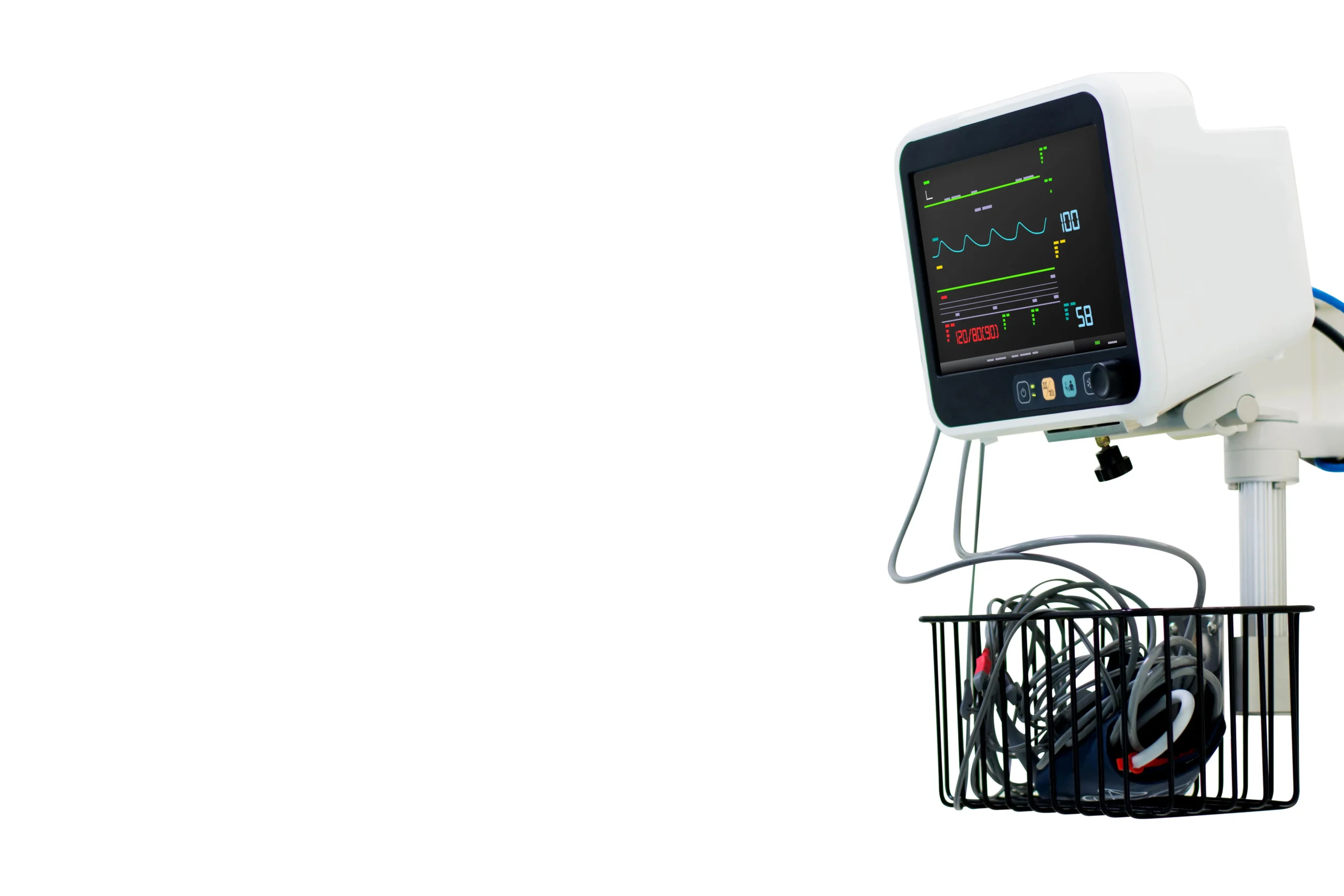
What is LCD power integrity?
LCD power integrity refers to the ability of a system to deliver stable, low-noise voltage and current to display components. As a result, the system maintains reliable electrical performance and consistent image behavior.
Why power integrity matters in embedded display systems
Power integrity plays a critical role in the reliable operation of LCD modules in embedded systems. In high-speed and electrically complex environments, unstable power delivery introduces noise, disrupts signal behavior, and degrades display performance.
For example, in industrial, medical, defense, and transportation systems, poor power behavior can lead to flickering, image instability, EMI compliance failures, and unpredictable system operation. Therefore, engineers must treat power delivery as a core design consideration.
In addition, power design should be addressed alongside signal integrity and grounding strategy early in the development process.
Focus LCDs manufactures and supplies standard and custom LCD modules for OEM integration. In practice, Focus LCDs works with engineering teams to evaluate power architecture, interface behavior, and integration constraints to support stable and predictable system performance. This is particularly important in long-lifecycle OEM programs where consistent electrical behavior must be maintained across component revisions and production builds. However, final system validation, certification, and compliance remain the responsibility of the OEM.
Why Stable Power Delivery Matters
LCD modules depend on stable voltage and current delivery to maintain consistent operation. However, unstable power can affect multiple aspects of system performance.
For instance, instability may impact display timing, refresh behavior, backlight performance, and interface reliability. In addition, noise can couple into high-speed signals. Even small voltage fluctuations can propagate through the system and affect both electrical and optical performance.
Furthermore, power sensitivity varies by display type. TFT modules with high-speed interfaces are typically more sensitive to noise, while monochrome and segment displays may be more tolerant. However, they can still be affected by instability in backlight or drive circuits.
Therefore, engineers should evaluate power behavior early in development. These interactions are closely related to signal behavior discussed in MIPI DSI Signal Integrity Basics for Reliable LCD Integration.
Common Sources of Power Noise
Power instability in embedded systems typically originates from several key sources.
Switching Regulators
First, switch-mode power supplies introduce ripple and high-frequency noise. If filtering is insufficient, this noise can couple into display interfaces, reduce signal margins, and increase EMI emissions.
Backlight Drivers
Next, LED backlight circuits operate with high current and switching behavior. As a result, current ripple affects brightness stability and can inject noise into nearby signal paths. Thermal and electrical behavior of backlights are further discussed in LED Backlight Derating Curves for Long-Term LCD Reliability.
In addition, backlight architecture selection in custom LCD modules can influence noise behavior, especially in high-brightness or PWM-driven designs.
Digital Switching Activity
Finally, high-speed processors, memory, and communication interfaces generate transient current demands. Consequently, these transients cause voltage droop, inject noise into shared power rails, and affect display timing stability.
Power Noise Sources and System Impact
Power noise sources affect LCD performance depending on frequency, amplitude, and coupling paths.
| Power Noise Source | Impact on System |
|---|---|
| Switching regulator ripple | Increased EMI and signal jitter |
| Backlight driver noise | Brightness instability and noise coupling into interfaces |
| Digital switching transients | Voltage droop and timing errors |
| Poor decoupling | Wideband noise propagation across power rails |
Overall, these effects often interact. Therefore, early design discipline is essential.
Power and Signal Integrity Interaction
Power behavior and signal integrity are tightly coupled. In practice, noise on power rails directly affects signal performance.
For example, voltage instability can distort signal thresholds, increase jitter, and reduce eye margin. Even when routing is well designed, performance can still degrade if the power supply is unstable.
Because of this, engineers should evaluate power and signal performance together. These interactions are closely linked to grounding behavior, as discussed in LCD Grounding and Return Path Design for EMI Stability in High-Speed Interfaces.
Decoupling and Filtering Strategy
Effective decoupling is essential to maintain stable voltage levels.
To begin with, place decoupling capacitors close to IC power pins. In addition, use multiple capacitor values to cover different frequency ranges.
Furthermore, minimizing loop inductance in power paths improves high-frequency performance. Bulk capacitance supports low-frequency stability, while smaller capacitors address high-frequency noise.
Without proper decoupling, noise can propagate throughout the system and degrade both signal integrity and EMI performance.
Power Distribution Network Design
The power distribution network defines how power is delivered across the system.
Engineers must consider trace width, current capacity, plane impedance, and voltage drop across the board. In addition, transient response under dynamic load conditions plays a critical role.
As a result, poor PDN design leads to localized voltage instability, especially in high-current paths such as backlight drivers.
Moreover, custom LCD module design decisions, including interface type (MIPI, LVDS, RGB) and display architecture (TFT, monochrome, or segment), directly influence PDN requirements and noise sensitivity.
Design Guidelines for Stable Power
Effective design targets low impedance and stable voltage behavior.
For example, maintain low PDN impedance across switching frequency ranges. In addition, limit voltage droop to within approximately 5% under transient load conditions.
Finally, define power requirements early to improve predictability and validation outcomes.
How to Measure Power Integrity
Engineers should validate power performance using measurement tools rather than assumptions.
For example, key methods include:
• Measuring ripple and noise using an oscilloscope at critical power nodes
• Evaluating transient response under dynamic load conditions
• Probing near display connectors and IC power pins
• Verifying voltage stability across temperature and operating conditions
Typically, ripple targets are within tens of millivolts, depending on system requirements. Measurement techniques are outlined in Rohde & Schwarz EMI Testing Fundamentals and practical power design and decoupling guidance from Analog Devices Power Management Technical Articles.
Troubleshooting Power-Related Display Issues
When display instability occurs, a structured approach helps isolate root causes.
For example:
Flickering display → Power ripple or transient instability → Measure ripple with oscilloscope
Timing errors → Voltage droop affecting logic thresholds → Check transient response
EMI failure → Switching noise coupling → Evaluate frequency-domain noise
Brightness instability → Backlight driver noise → Measure current ripple
This approach helps engineers identify issues more efficiently during validation.
Power and Grounding Relationship
Power and grounding must be designed together. If grounding is unstable, noise increases, return currents become unpredictable, and EMI performance degrades.
Therefore, consistent reference planes and controlled return paths are essential. Grounding principles are discussed in LCD Grounding and Return Path Design for EMI Stability in High-Speed Interfaces.
Power Noise and EMI Performance
Power noise is a major contributor to EMI issues. As a result, uncontrolled noise increases radiated emissions, causes EMC test failures, and interferes with nearby systems.
Measurement and troubleshooting approaches are also detailed in Keysight EMI Measurement Application Notes.
Mechanical and Layout Considerations
Physical layout directly affects power stability.
Key factors include distance between power sources and loads, routing of high-current paths, placement of regulators and drivers, and separation of noisy and sensitive circuits.
In rugged environments, vibration and mechanical stress can affect power connections over time. These interactions are discussed in Rugged LCD Design for Harsh and Safety-Critical Applications.
Common Power Integrity Mistakes
Engineers often encounter avoidable issues.
For example:
• Insufficient decoupling
• Shared noisy and sensitive power rails
• Ignored transient current demands
• Poor PDN design
• Inadequate filtering of switching regulators
Even stable prototypes can fail during validation or field operation if these issues are not addressed.
Power Design Checklist for Engineers
To improve outcomes:
- Define power requirements for all components early.
- Design a low-impedance power distribution network.
- Implement proper decoupling and filtering strategies.
- Isolate noisy circuits from sensitive display paths.
- Validate power behavior under real operating conditions.
Focus LCDs Engineering Approach
Focus LCDs manufactures and supplies standard and custom LCD modules and works with OEM engineering teams to evaluate power architecture, interface design, and mechanical integration to support stable display operation.
By aligning power integrity with grounding, signal integrity, and mechanical design, Focus LCDs helps reduce integration risk and improve validation outcomes in rugged and regulated systems.
Scope Boundary and Compliance Responsibility
Focus LCDs provides LCD modules and engineering support for integration. However, Focus LCDs does not control final system power architecture, EMI mitigation strategy, or regulatory certification.
Therefore, OEMs remain responsible for validating compliance within their complete system design.
Contact Focus LCDs
If you are developing a system where power stability and display reliability are critical, Focus LCDs can support integration planning and design considerations.
Contact Focus LCDs: https://focuslcds.com/contact
FAQ: LCD Power Integrity
What is LCD power integrity?
LCD power integrity ensures stable voltage and current delivery to display components, allowing consistent image performance and reliable system operation.
What causes power noise in LCD systems?
Power noise is typically caused by switching regulators, backlight drivers, and high-speed digital switching activity that introduce ripple, transients, and electromagnetic interference.
How does power integrity affect signal integrity?
Unstable power introduces noise that distorts signal thresholds, increases jitter, and reduces timing margins, which can lead to display instability and data errors.
Why is decoupling important in LCD design?
Decoupling stabilizes voltage at critical components by filtering noise across frequency ranges, preventing power fluctuations from affecting signal behavior and system performance.
What are typical power integrity targets in LCD systems?
Common design targets include voltage ripple in the tens of millivolts range and maintaining voltage droop within approximately 5% under transient load conditions, depending on system requirements.
How does display type affect power sensitivity?
TFT displays with high-speed interfaces are more sensitive to power noise, while monochrome and segment displays are generally more tolerant but still affected by backlight and drive circuit stability.
Conclusion: Stable Power Enables Reliable Displays
Stable power delivery is a foundational element of reliable LCD integration. Without it, signal integrity degrades, EMI performance suffers, and system reliability becomes unpredictable.
Therefore, engineers must address power behavior early and validate it under real operating conditions. In safety-critical systems, disciplined design supports consistent performance across the product lifecycle.

